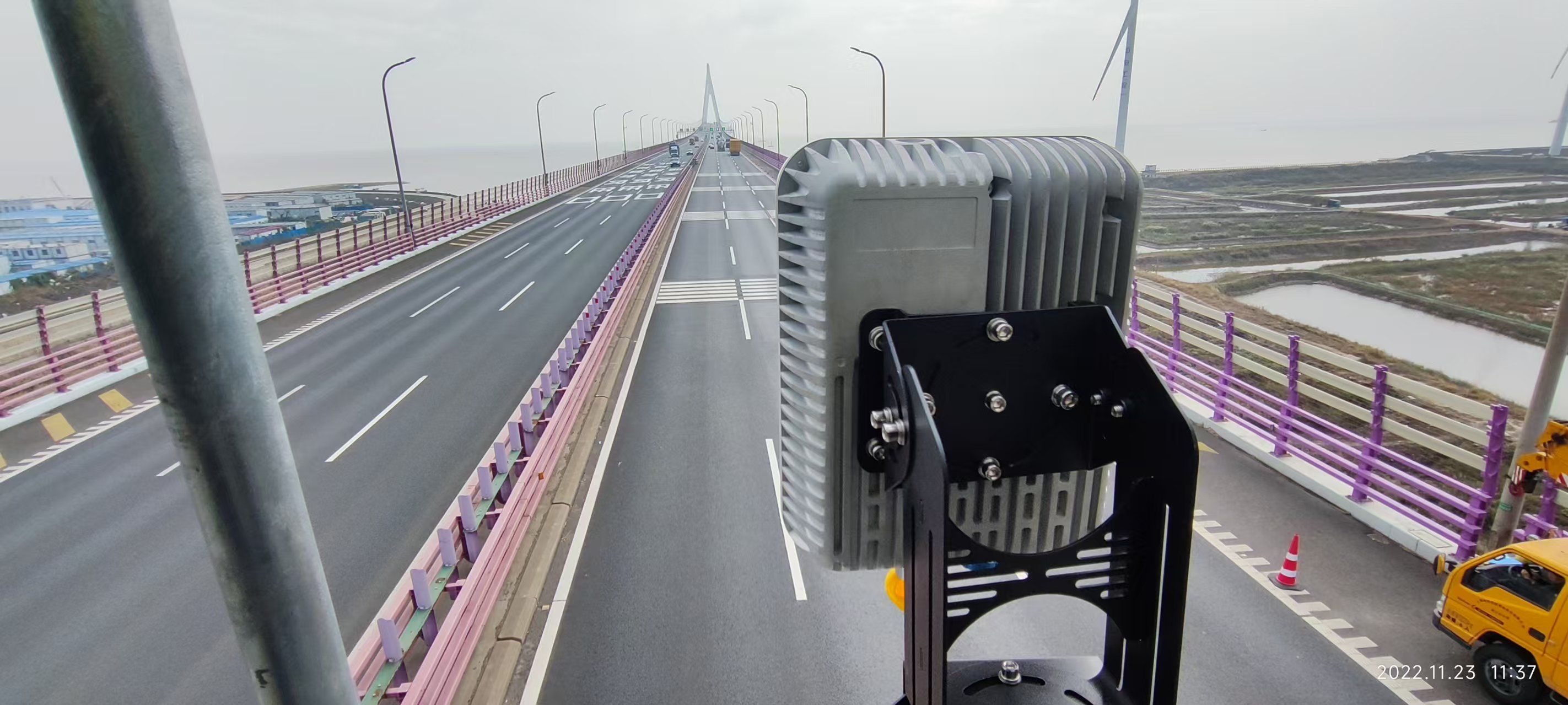
4D Imaging Technology
4D Imaging Technology
Technical Principle
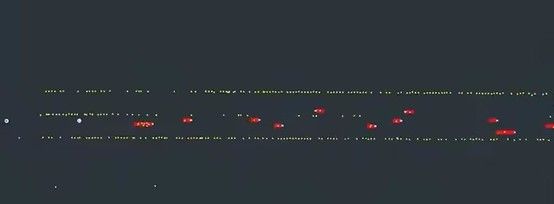
Building on traditional 3D radar (range, speed, azimuth), 4D imaging radar adds elevation measurement to accurately capture target height information. Using MIMO antenna arrays and high-resolution imaging algorithms, it transmits FMCW signals and receives echoes. Multi-channel parallel processing generates high-density point cloud data, enabling 3D spatial modeling of targets and outputting 4D trajectories including position, speed, heading angle, and height.
Key Features
-
3D sensing capability – Captures target height, accurately distinguishing vehicles on different levels of overpasses, as well as identifying pedestrians and non-motor vehicles.
-
High-density point cloud output – Tens of thousands of points per second, finely restoring target contour and motion attitude.
-
Holographic trajectory characterization – Fuses 4D information to output stable, smooth, high-resolution continuous trajectories.
-
Complex scenario adaptability – Effectively handles detection blind spots of traditional 3D radar such as curves, tunnels, and parallel vehicles.
-
All-weather high reliability – Unaffected by lighting, rain, snow, or fog, ensuring 7×24 3D sensing.